118 118 Money Review UK: Personal Loan Costs, Repayment and Risks
This review is based on the supplied lender and independent debt-advice material. Product terms can change, so check the lender’s current information and your personalised offer before applying.
118 118 Money personal loans: verdict
118 118 Money’s personal loan may be worth investigating only if the personalised offer gives you a repayment plan that fits a realistic household budget. The lender presents its personal loan as a fixed amount paid up front, with scheduled repayments, and publishes a representative 49.9% APR with a 41.2% a year fixed interest rate. Those figures are useful starting points, but they are not a substitute for checking the amount you would actually repay.
The most important question is not whether the representative APR looks acceptable in isolation. It is whether the monthly repayment, loan term and total amount repayable still leave enough room for essentials, existing credit commitments and unexpected costs. A fixed repayment structure can make planning clearer, but it does not make an unaffordable payment affordable.
The lender says that starting with a loan eligibility check will not affect your credit score. That may be a practical way to explore the option before a full application. It is still not a promise of approval, a confirmation of the final rate, or evidence that the repayments are right for your circumstances.
If you are already missing payments, using borrowing to cover day-to-day essentials, or unsure how you would cope if your income fell, pause before taking further credit. StepChange offers free debt help and information, including budgeting and debt-consolidation resources. In that position, independent debt advice may be more useful than treating another loan as the default answer.
[Read: personal-loan eligibility checks] · [Read: how representative APR works] · [Read: free debt advice options]
What 118 118 Money offers
118 118 Money is a UK lender whose supplied website material promotes both personal loans and credit cards. They are separate products and should not be assessed as though their pricing or repayment structure were interchangeable.
For its personal loan, the lender describes a fixed amount provided up front and repaid through scheduled repayments. Its published wording says this structure is intended to make the cost clear from the start. At the time represented by the supplied source, the personal-loan page states a representative 49.9% APR and an interest rate of 41.2% per annum, fixed. The page also invites readers to begin with a loan eligibility check and says that this will not affect their credit score.
The credit-card information shown alongside the loan is different: the supplied page describes a representative 49.0% APR variable and a 49.0% per annum variable interest rate. That is not the personal-loan rate. If you are considering a loan, make sure every figure in the quote, pre-contract information and agreement is for the personal-loan product rather than a credit card or another borrowing option.
“Representative” is especially important. It is a published pricing label, not a statement that every applicant will receive the same borrowing terms. Your offered amount, monthly payment, term and total repayment are the figures that matter for a decision. The supplied evidence does not establish what offer any individual will receive, whether any fees apply, the available loan amounts or terms, or the lender’s approval criteria. Confirm those points directly from the current lender documents before proceeding.
It is also sensible to separate a soft eligibility indication from the later lending decision. A lender can use an eligibility journey to indicate whether a product may be available without that check itself affecting the credit score, while the final application and agreement remain separate steps. Read the on-screen explanation carefully and do not assume that an eligibility result settles either affordability or acceptance.
The lender’s page also makes broad statements about simplicity, transparency and the absence of hidden fees. Treat these as the lender’s own descriptions, rather than independent proof of service quality or value. The practical test is whether the current quote and agreement clearly show the interest rate, repayment dates, any charges, the total amount repayable, and what happens if payments are late or missed.
[Read: personal-loan basics] · [Read: soft-search eligibility checks] · [Read: loan repayment calculator guide]
Potential strengths
A personal loan with a fixed interest rate and scheduled repayments can be easier to model than borrowing where the rate or repayment schedule may change. For a borrower who knows the purpose of the loan and can afford the payment, a set monthly commitment can support straightforward budgeting. You can put the payment into a monthly plan, compare it with income and essential spending, and see how long the commitment is expected to run.
That clarity is only useful when you work from the personalised figures. Before relying on the advertised representative rate, ask for or review the payment schedule and write down the monthly payment, number of payments and total amount repayable. A smaller monthly payment can sometimes result from a longer term, which may increase the amount paid overall. Conversely, a shorter term may reduce the time you pay interest but create a higher monthly commitment. Neither option is automatically better without looking at both affordability and total cost.
The lender’s statement that a loan eligibility check will not affect your credit score may also be helpful for people who want initial information before deciding whether to make a full application. Use it as an exploratory step, not a shortcut around comparison. Check what information the journey gives you, whether it is personalised, and whether proceeding further involves a different type of credit search.
There is also value in keeping product categories distinct. The supplied material places personal loans and credit cards side by side, but a fixed personal loan and a variable-rate card are different commitments. Comparing them requires more than comparing headline APRs; you need to understand how each repayment arrangement works and what it would mean for your budget.
No independent evidence supplied for this review verifies customer service, speed of funding, complaint handling or the lender’s claims about transparency. Those may matter to you, but they should be checked through current, relevant sources rather than assumed from marketing language.
[Read: how fixed-rate loans work] · [Read: credit-score soft searches] · [Read: loan budgeting worksheet]
Costs, limitations and borrowing risks
AI-generated generic editorial illustration — not a retailer product photo and does not depict the reviewed product or service. Frame why a representative APR needs individual affordability and eligibility checking.
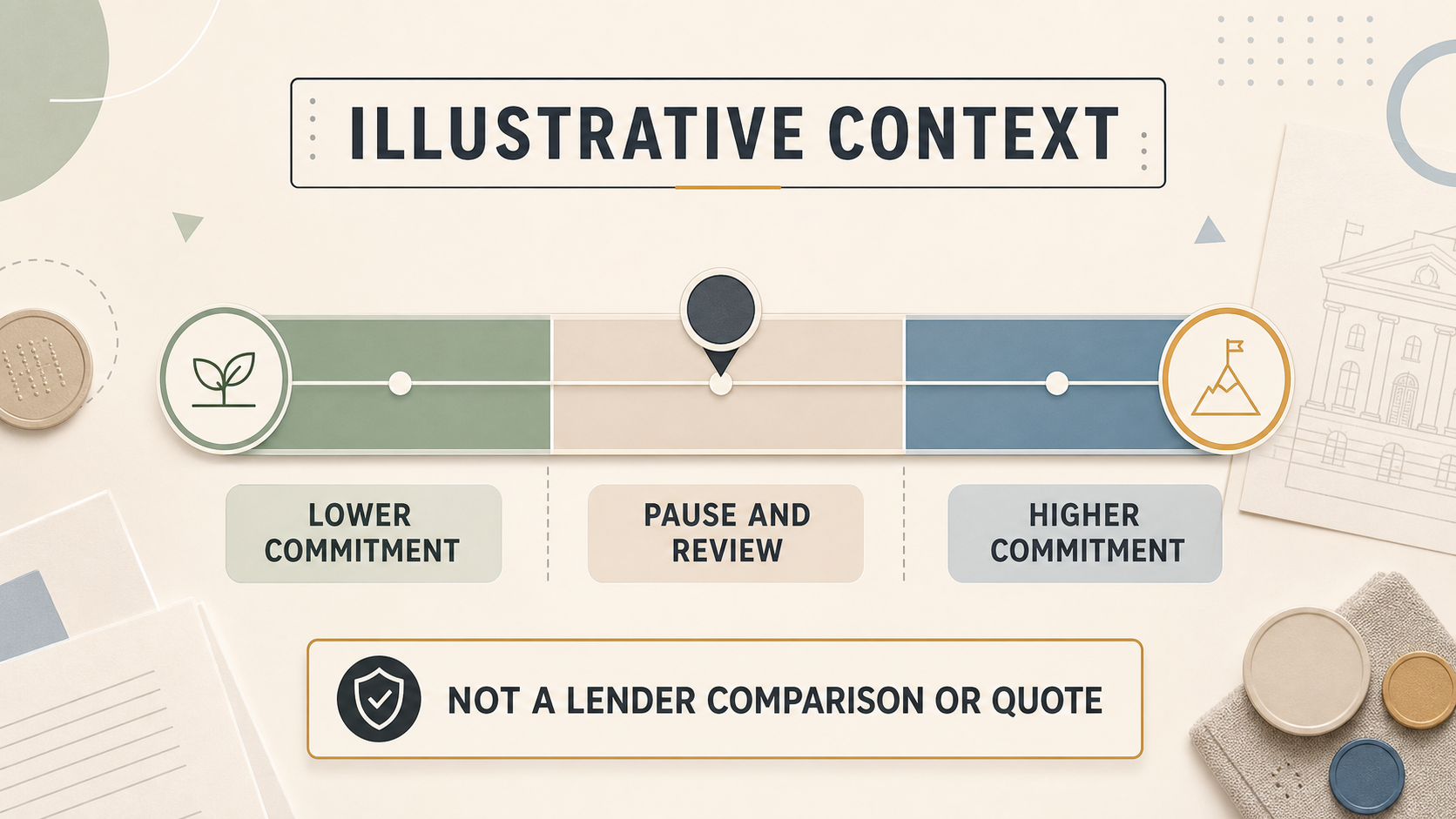 The clearest limitation is that the published representative 49.9% APR is not necessarily the rate you will be offered. It is an advertised representative figure on the lender’s supplied page, while a real decision depends on the personalised quote and agreement. Do not treat it as a guaranteed price.
The lender also states a fixed 41.2% annual interest rate for its personal loan. “Fixed” generally helps you understand that the stated interest rate is not presented as variable for that product, but it does not tell you the full cost on its own. APR, interest rate, term, amount borrowed, payment frequency and any applicable charges all interact. The document you receive should allow you to see the total amount repayable as well as the monthly repayment.
A high borrowing cost can put more pressure on a tight budget. The risk is not only the interest figure: it is the possibility that a payment becomes difficult alongside rent or mortgage costs, utilities, food, travel, childcare, existing debts and irregular expenses. A loan taken for an urgent need can still create a longer financial problem if the repayments leave no margin for change.
Compare like with like. If you look at more than one borrowing option, use the same amount and, where possible, comparable terms. Then compare the monthly repayment, total repayable, repayment dates, early-settlement terms if relevant, and the consequences of missing a payment. APR is a useful comparison tool, but it is not the whole decision. A lower payment spread over more time may still mean paying more in total; a shorter repayment period may be cheaper overall but impossible to sustain each month.
The supplied material does not provide a personalised example, a complete fee schedule, loan-term range, maximum or minimum borrowing amounts, or missed-payment charges. Do not fill those gaps with assumptions. Check the current lender information and the pre-contract documents, and ask questions if a charge or condition is unclear.
Borrowing can be particularly risky when it is used to repeatedly cover a gap between income and essential spending. It can also be risky to use a new loan to consolidate existing debts without checking the total cost, whether the old debts will actually be cleared, and whether the new payment is sustainable. Consolidation can simplify repayments in some circumstances, but it is not automatically cheaper or safer.
If you are already struggling with debts or are concerned about missed payments, free independent help is available from StepChange. Its supplied debt-information material includes debt help, budgeting resources and a debt-consolidation calculator. Speaking to an independent debt-advice service can help you look at the whole situation rather than only the next available credit option.
Editorial graphic — illustrative, not a lender comparison: Representative APR versus a personalised offer. Compare the quoted monthly payment and total repayable against your own budget; do not assume the representative rate will be your rate.
[Read: representative APR explained] · [Read: total amount repayable guide] · [Read: missed loan repayments help] · [Read: debt consolidation risks]
How to assess whether the repayments are affordable
AI-generated generic editorial illustration — not a retailer product photo and does not depict the reviewed product or service. Help readers evaluate affordability before any application.
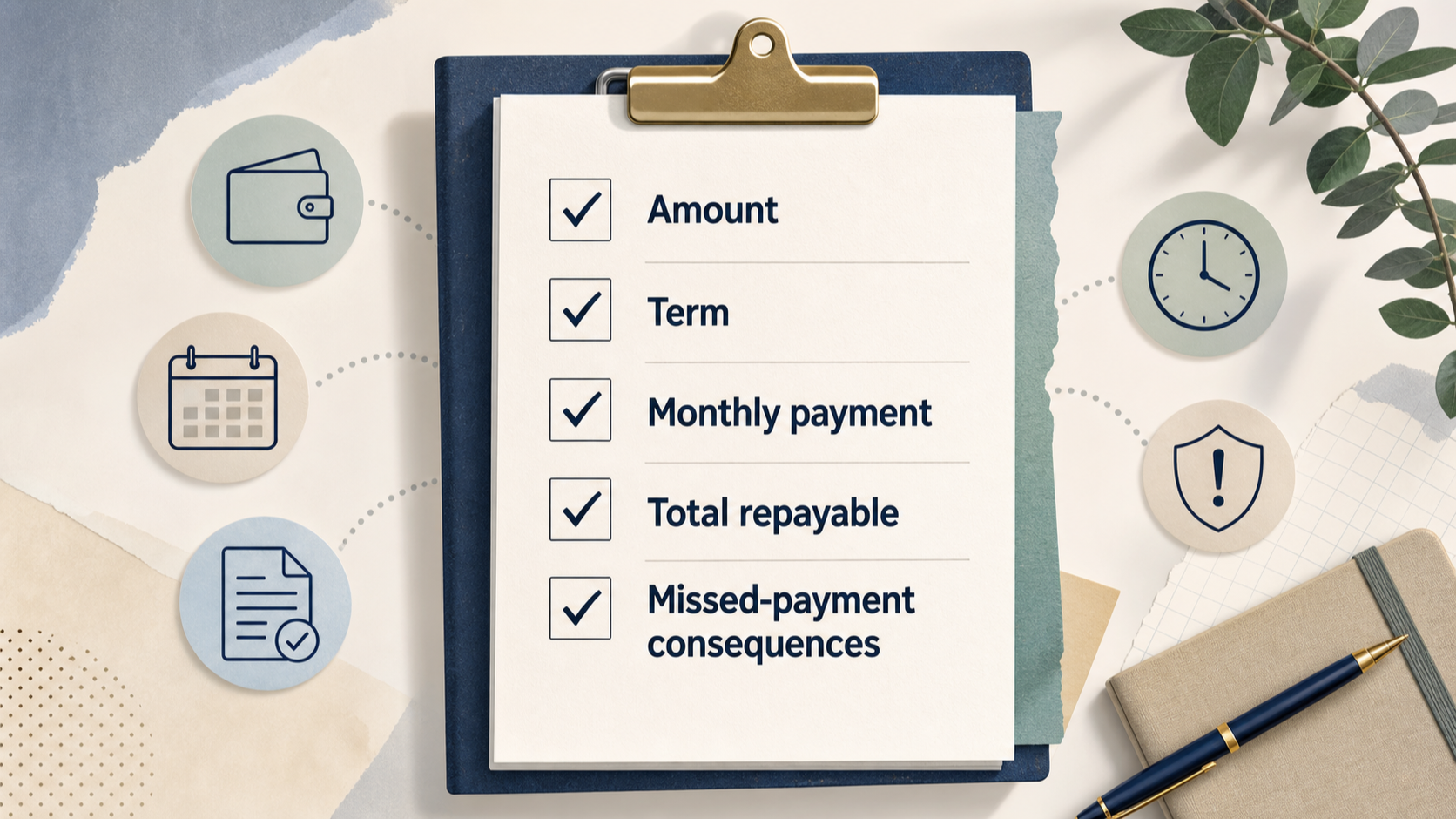 Start with the purpose. Is the borrowing for an essential one-off cost, a planned purchase, or a recurring shortfall? Delaying a non-essential purchase or saving towards it may be less costly than taking on a high-cost commitment. If the need is urgent, define the smallest amount that genuinely solves the problem rather than borrowing an amount simply because it is offered.
Next, build a monthly budget from real figures. List dependable income, then essential costs such as housing, utilities, food, transport, care costs and existing debt payments. Include annual or irregular expenses by setting aside a monthly amount for them. What remains is not automatically available for a loan: leave a buffer for price rises, repair bills, a reduction in hours or other shocks.
Then test the proposed payment in three ways:
- Can you pay it every month after essentials and existing commitments?
- Can you still pay it if a regular expense rises or income is temporarily lower?
- Does the total amount repayable still make sense for the problem the loan is solving?
Check the loan term as carefully as the monthly amount. A repayment that looks manageable because it is stretched over a long period can increase the total repaid. A faster schedule can reduce the duration of the debt but may leave your budget with too little flexibility. Choose only a payment you can maintain without relying on overtime, another credit product or an optimistic assumption that circumstances will improve.
An online calculator can help you understand scenarios, but it is not approval and it is not an affordability assessment. Likewise, the lender’s eligibility check may help you explore availability without affecting your credit score, according to its supplied wording, but it does not remove the need to review the final quote and your own finances.
If you are already behind on bills or repayments, prioritise free, independent debt advice before applying for more credit. StepChange’s supplied information directs people to free debt help and offers resources for budgeting, debt repayment and consolidation questions. That support can help identify options that a single product comparison will not show.
Editorial graphic — illustrative checklist: Confirm the need, amount, term, monthly payment, total repayable and missed-payment consequences. Stress-test the payment against an income fall or an unavoidable expense.
[Read: monthly budget planner] · [Read: debt advice services] · [Read: loan affordability checklist]
Alternatives to consider
AI-generated generic editorial illustration — not a retailer product photo and does not depict the reviewed product or service. Make the alternatives section scannable without implying endorsed products.
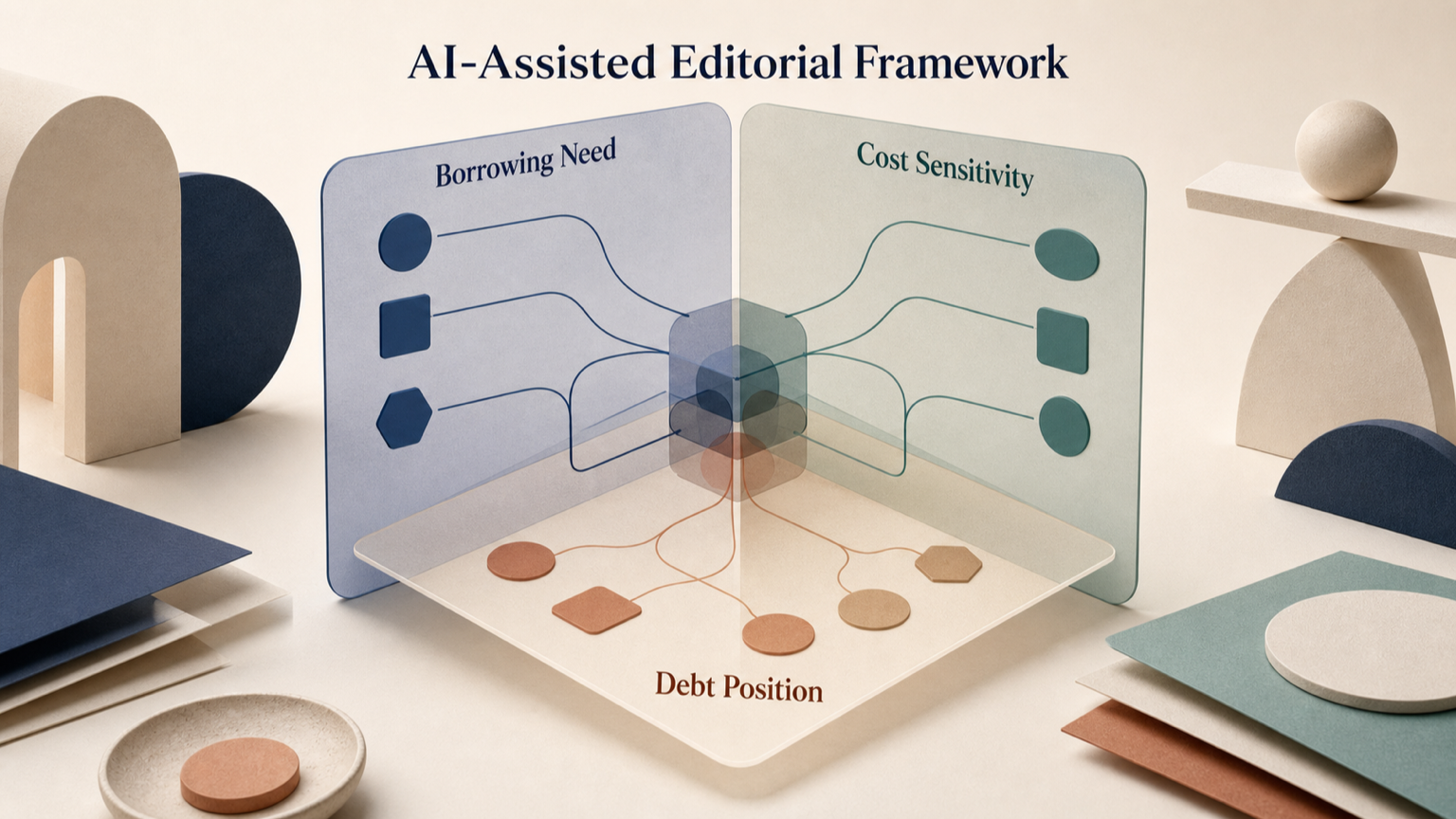 The right alternative depends on why you need the money and whether your current repayments are stable. There is no evidence in the supplied sources to rank named lenders or quote competing rates, so this review does not do that. Instead, consider the broad route that matches your circumstances.
For a non-essential purchase, the lowest-commitment option may be to delay it and save where feasible. This avoids adding interest and a contractual monthly payment. It may not be practical for every need, but it is worth considering before taking on a loan priced at a high representative APR.
If borrowing is necessary and your finances are currently stable, compare other credit offers carefully. Use the actual terms available to you rather than advertising alone, and compare the same borrowing amount. Focus on total repayable, monthly payment, term, charges and the consequences of late payment. Do not assume an alternative is cheaper merely because it has a different headline rate or a lower monthly payment.
If the intention is to consolidate debts, take extra care. A new loan may combine payments, but it can extend the time you are in debt or increase the total cost. Check that you understand what will happen to the debts being consolidated and whether you can avoid building up fresh balances afterwards. StepChange provides debt-consolidation information and a calculator among its free debt resources; independent advice can be especially valuable where several debts or missed payments are involved.
If payments are already difficult, debt advice is often a more appropriate first route than additional borrowing. StepChange offers free debt help and information on budgeting, debt solutions and dealing with debt problems. An adviser can consider your overall position, including priority bills and existing creditors, rather than looking only at whether another loan may be available.
Editorial graphic — illustrative decision matrix: Delay and save for non-essential borrowing; compare current offers when repayments are stable; seek independent debt advice when existing payments are already difficult. This is not a provider ranking or a quote.
[Read: compare personal loans] · [Read: debt consolidation guide] · [Read: emergency financial support] · [Read: free debt advice options]
Final checks before you decide
Before applying, verify the current personal-loan representative APR and interest-rate wording on 118 118 Money’s own site. The supplied source states 49.9% representative APR and 41.2% per annum fixed interest for the personal loan, but these are publication-time facts to recheck, not permanent terms or a personalised offer.
For the exact product you are considering, confirm:
- the rate and APR you are actually offered;
- the amount borrowed, term, monthly repayment and total amount repayable;
- any fees, charges, early-settlement terms and the consequences of late or missed payments;
- the eligibility criteria and the type of credit search used at each stage; and
- the full regulatory and pre-contract disclosures provided with the offer.
Finally, put the payment through your own budget and a realistic “what if?” test. If it would only work in a best-case month, it may not be a suitable commitment. If you are already experiencing repayment pressure, use free independent debt advice rather than assuming more borrowing is the default solution.
[Read: personal-loan application checklist] · [Read: understanding credit agreements] · [Read: free debt advice options]
Sources
Editorial information: About our editorial team · Read our editorial policy.